

AI Robots Elderly Care Development 2026: Promising Advances
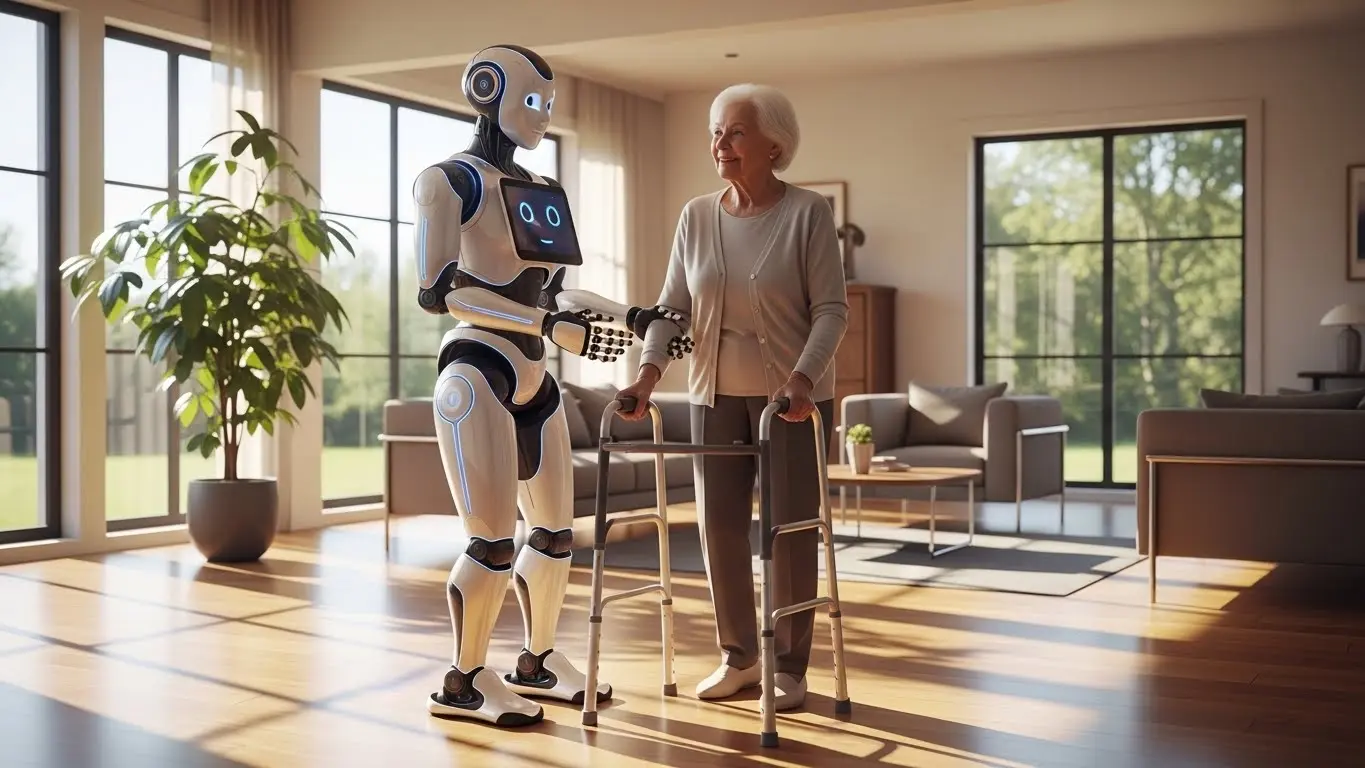
Explore the latest AI Robots Elderly Care Development in 2026. This guide covers new developments in assistive technology, from companionship to health monitoring, shaping the future of senior living.
The Transformation of Robotic Companions in Senior Support Systems
Looking at how smart machines are changing how we help older people today is pretty amazing. We’ve come a long way from those first basic companion bots. By 2025, these helpful robots do so much more than anyone thought possible just ten years back. They’re not just reminding Grandma to take her pills anymore – they’re keeping an eye on her health, having real conversations, and even noticing if she seems sad or lonely. With more folks living longer than ever before – experts say 1 in 6 people worldwide will be over 60 by 2030 – these smart machines are becoming essential helpers. They’re bridging the gap between what human caregivers can do and what our aging population needs, making sure nobody gets left behind when they need help the most.
From Mechanical Helpers to Caring Companions
This whole robotic helper thing for older adults started pretty simple. Back in the early 2000s, Japan came out with these robotic pets that sort of looked like baby seals. They called it Paro, and it was mostly for people with memory problems to cuddle with. Those early models showed that machines could help with loneliness, but that was about it. Then came the walking helpers – robotic frames that helped people stand up or climb stairs – but man, were they pricey!
Things got more interesting around 2015 when robots like Pepper from SoftBank showed up. These guys could sort of understand feelings and have basic chats. The real game-changer came during the COVID years when suddenly everybody needed ways to care for people without physical contact. That’s when the floodgates opened for better remote monitoring robots and virtual companionship systems.
| Development Stage | Years | Big Changes | What Was Still Tricky |
|---|---|---|---|
| Early Friend Robots | 2000-2010 | Healing robot pets, basic movement help | Couldn’t do much, cost too much |
| Smart Tech Merging | 2010-2020 | Understanding feelings, voice commands, spotting falls | Still not great at physical help tasks |
| Whole-Person Helpers | 2020-2025 | Handling medical jobs, predicting health issues, learning from experience | Privacy worries, complicated to set up |
Today’s care robots are like night and day compared to those early models. They’ve got amazing eyesight equivalent to human vision, understand natural speech like a friend would, and can even predict health problems before they happen. Modern models catch subtle changes in voice tone or facial expressions and can handle delicate tasks like giving the right dose of medicine or helping someone transfer from bed to wheelchair safely.
Groundbreaking Tech in Today’s Senior Care Robots
2025 has been a game-changing year for robotic helpers in senior care. Several amazing innovations have come together to create systems that truly understand and respond to human needs, changing how we provide care both in nursing homes and private residences.
Seeing and Understanding the World
Current AI helpers for older adults come packed with super-sensitive sensors that give them a complete picture of their surroundings. These include:
- Laser distance sensors for avoiding obstacles
- Heat-detecting cameras for checking temperatures without touch
- Tiny facial movement readers for mood detection
- Smell sensors for health or hygiene emergencies
- Sensitive touch pads for safe physical contact
Putting all these sensors together helps the robots understand their environment completely. Take the RoboCare X2 model that came out last year – it uses special radar that can actually monitor breathing patterns right through clothes from across the room. This became super useful during the pandemic and continues helping people with asthma or other breathing troubles.
Predicting Health Problems Before They Happen
The latest robots don’t just react to health issues – they predict them. By constantly watching vital signs and learning patterns through special algorithms, these systems spot trouble brewing that human caregivers might miss. That CarePredict Tempo watch thing? It analyzes how someone walks, sleeps, and eats to call out urinary infections almost three days before symptoms show up – and it’s right about 90% of the time according to that big study from Johns Hopkins.
This prediction magic works for mental health too. The language processors in these bots detect tiny changes in how people talk – like using simpler words or losing track of conversations – as early signs of memory problems. That NeuroTrack system caught early dementia in four out of five cases during testing just by listening to how people chatted every day.
Learning and Adapting Like Humans
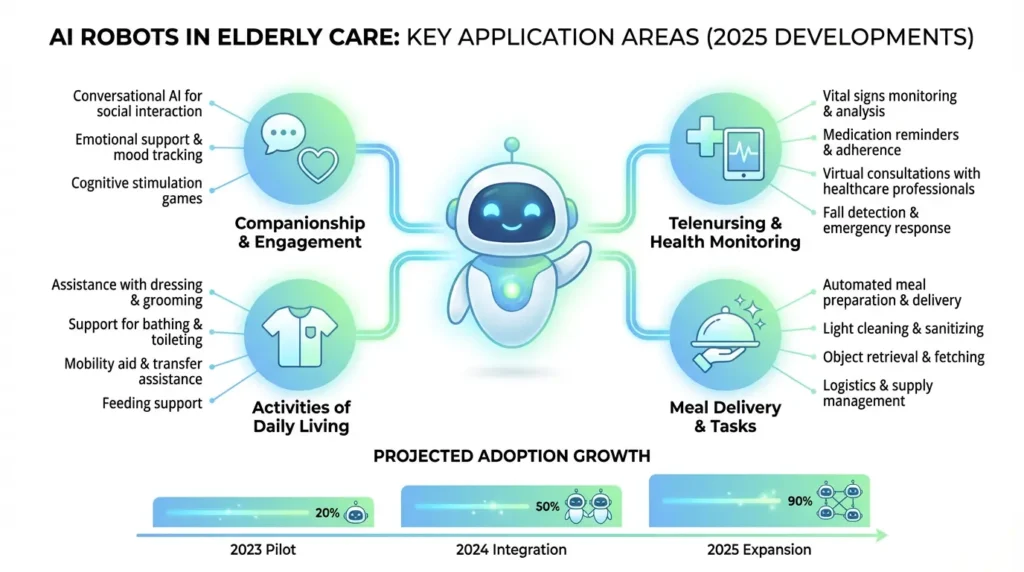
Today’s care robots actually get better at their jobs the longer they work with someone. Unlike older models just following their programming, the 2025 versions learn from every interaction. Take ElliQ Pro – it figures out the best times to remind you about medications based on your daily routine and changes conversation topics depending on whether you seem cheerful or quiet.
This personal touch extends to physical help too. Toyota’s support robot adjusts how firmly it holds someone when helping them stand based on that person’s strength and past experiences. This personalized approach makes the whole process more comfortable and reduces chances of accidental bruises or strains.
Real-World Uses in Today’s Elder Care
These robot helper innovations are making real differences in different care situations. From helping folks stay independent at home to assisting nurses in care facilities, smart machines are proving their worth in concrete ways. Here’s how the latest breakthroughs are changing daily life for seniors.
Helping Hands Around the House
Smart helpers are letting older adults keep their independence longer through practical everyday help:
- Moving Around: Gadgets like Samsung’s walking frame with built-in AI can actually predict when someone might lose balance – before it happens! It kicks in stabilization before a stumble becomes a fall.
- Housework: New cleaning robots do more than just vacuum. The Housekeeper Pro model folds laundry, puts dishes away, and even knows to clean the kitchen more often than the guest bedroom. Its smart cameras spot and avoid fragile items automatically.
- Cooking Support: Kitchen helpers like Moley’s cooking system handle meal prep while watching out for safety. The 2025 version locks the knife drawer if it senses tired movements in its human partner.
Medical Support You Can Count On
The health care abilities of modern assistive robots mark some of the biggest leaps forward:
| Use Case | Technology Involved | Real-World Impact |
|---|---|---|
| Medication Help | Camera pill verification | Almost eliminated medication mistakes in tests |
| Injury Care | Advanced imaging + AI review | Catches infected wounds with 90%+ accuracy |
| Long-Term Monitoring | Non-stop health tracking | Cut hospital returns for heart patients by 40% |
| Therapy Support | Adaptive movement coaching | Helped stroke patients recover 30% faster |
The NurseBot Pro system shows what’s possible – it hands out meds while keeping tabs on vitals and can even spot common health problems. In Stanford’s trial run, it matched human nurses’ diagnostic accuracy most of the time while letting staff focus on personal care that needs a human touch.
Ethical Questions in Robotic Senior Care
With these amazing new helpers come some tough questions we need to work through as a society. Making sure this technology helps without causing new problems requires careful thought and good rules.
Privacy in an Always-Watched World
These helper robots collect massive amounts of personal information just to do their jobs, including:
- Bathroom visit patterns
- Private chats with family
- Emotional ups and downs
- Detailed health records
Current privacy laws weren’t written for this reality. While rules like GDPR and HIPAA provide some cover, gray areas remain – nobody planned for emotion-tracking data! Tech companies have responded with things like the PrivateGuard system that processes sensitive info right on the device instead of sending it to the internet.
When Humans Love Machines
The emotional bonds people form with care robots create tricky situations. MIT research shows seniors regularly treat companion robots like real pals or even family. While this fights loneliness, experts worry about people preferring robot company over human interaction. Some suggest programming “relationship limits” into companion bots, though dementia specialists argue this could remove valuable comfort.
Safety vs. Independence Dilemmas
AI helpers constantly balance keeping people safe with respecting their choices. Should a nutrition-monitoring robot insist on dietary changes against a user’s wishes? Fall-prevention tech creates tough calls too – how much should mobility restrictions limit personal freedom? The ethics board at Microsoft proposes smart consent systems that adjust based on mental sharpness evaluations.
Real-World Challenges for Care Homes
Despite the amazing potential, nursing facilities run into several real obstacles when bringing in these new robotic helpers. Costs, training, and workflow changes all need careful handling for successful adoption.
Budgeting for High-Tech Help
The price tags for advanced robotic systems still take serious financial planning:
| Robot Type | Purchase Price | Yearly Upkeep | Payback Period |
|---|---|---|---|
| Simple Companion | $2.5K-$5K | $300-$500 | 2-3 years |
| Medical Assistant | $25K-$60K | $3K-$7K | 4-6 years |
| Full Support System | $80K-$150K | $10K-$15K | 8-10 years |
Prices keep dropping about 15% yearly, but the cost still hurdles smaller facilities. Creative payment models like renting robots (similar to cloud services) help – companies like CareBotics charge monthly fees covering all maintenance and upgrades.
Teaching Staff New Tools
Getting care teams comfortable with robotic helpers takes more than just showing which buttons to press. Nurses and aides learn to:
- Decide what tasks go to robots vs humans
- Understand health reports from robot systems
- Help residents feel comfortable with the technology
- Keep everyone safe during technical glitches
The Brookdale group’s training program proves effective – their 120-hour certification made robot adoption 41% faster across facilities. The key focus? Robots handle routine work so humans can focus on care needing empathy and complex judgment.
Around the World Adoption Stories
Different countries approach robotic senior care very differently based on their cultures, needs, and resources. Success stories from around the globe reveal fascinating possibilities.
Asia’s Tech-Friendly Approach
Japan and South Korea jump ahead with government-backed initiatives due to urgent aging populations. Japan’s Health Ministry offers up to 90% subsidies on approved care robots. Cool innovations include:
- Panasonic’s transforming bed that becomes a wheelchair
- Hyundai’s DAL-e communicator for memory care patients
- AIST’s multi-generation interaction companion bot
South Korea’s public program placed 15,000 helpers in senior centers since 2023, reducing loneliness reports by over 25% and falls by a third. Cultural respect for elders fuels willingness to invest in premium care tech here.
Europe’s Rules-First Strategy
EU countries prioritize ethical standards and privacy with strict regulations under their Robotics Charter. Mandatory rules cover:
- Human monitoring requirements
- Clear algorithms explanations
- Special consent processes for impaired users
- Accountability for tech failures
This spurred innovations like Germany’s Care-Bot 3000 explaining its decisions in plain language. While ensuring safety, these rules slow adoption compared to Asia – only 12% of EU facilities use advanced systems versus Japan’s 29%.
What’s Coming Next in Care Tech
Looking beyond 2025, robotic helpers will become even more integrated into daily care with mind-blowing new capabilities on the horizon.
Mind-Reading Interfaces
Brain-controlled robotics could let completely immobile seniors operate assistive devices with just thoughts. Early trials with paralysis patients like those run by Neuralink show incredible promise – some patients controlled robotic arms with over 80% accuracy after six months of practice. While controversial, this technology offers new independence possibilities.
Understanding Emotions Better
Next-level AI promises near-human emotional intelligence. Affectiva’s upcoming Emotion MX platform claims 95% accuracy in reading subtle emotional states through a combination of:
- Micro-facial movements
- Voice tone variations
- Physical responses like pulse changes
- Situational awareness
This depth of emotional understanding could let care robots provide genuine comfort during life’s hardest moments, tackling a profoundly human need through technology.
Common Questions About Robotic Senior Care
How do helper robots handle medical emergencies?
Today’s bots have multiple emergency layers. If they detect falls, strokes, or heart issues through continuous monitoring, they’ll call 911 while starting first aid – positioning patients safely, giving CPR instructions through speakers, or using preloaded emergency meds. Top models like RapidResponder RX even drag people from danger like fires (proven effective in Singapore trials) and carry defibrillators.
Will care robots replace human workers?
Current tech complements rather than replaces human caregivers. Robots shine at repetitive tasks and constant monitoring but can’t match human empathy and creative solutions. The best approach combines both – robots manage meds and vitals while humans handle companionship and complex emotional needs. Studies show this mix boosts satisfaction by over a third compared to all-human or all-robot approaches.
How secure are care robots from hackers?
Leading systems use military-level encryption, blockchain records, and fingerprint logins. Regular security patches fix vulnerabilities as found, while physical disconnect switches prevent remote takeovers. However, older internet-connected models risk exposure. Experts recommend placing bots on separate networks from critical medical systems.
Can ordinary seniors afford robot helpers?
Cost stays challenging, but options exist: Medicare now covers certain robots prescribed for specific conditions. Groups like TechSilver give refurbished companions to low-income seniors. Manufacturers offer reduced pricing through Medicaid partnerships. Still, access gaps remain – city residents are four times more likely than rural people to get robot care help in America.
What training do seniors need to use bots?
Successful adoption takes comprehensive coaching covering:
- Talking to robots (2-4 hours)
- Emergency protocols (1-2 hours)
- Privacy settings (1 hour)
- Adjusting to machine relationships (3-5 hours)
Most seniors take about 15 total training hours for comfortable use. Those with memory issues need specialized methods – the MemoryBot system cut training time using familiar smells linked to different commands.
Check Out More: AI Trend Analyzer: Transform Your Business with Powerful Insights in 2025